



GOTS, Global Organic Textile Standard
What: a strict standard for organic cotton throughout the entire production chain, including social criteria for workers. When relevant: if you want to claim "100% organic" or "truly sustainable". Examples in our range: Stanley/Stella.

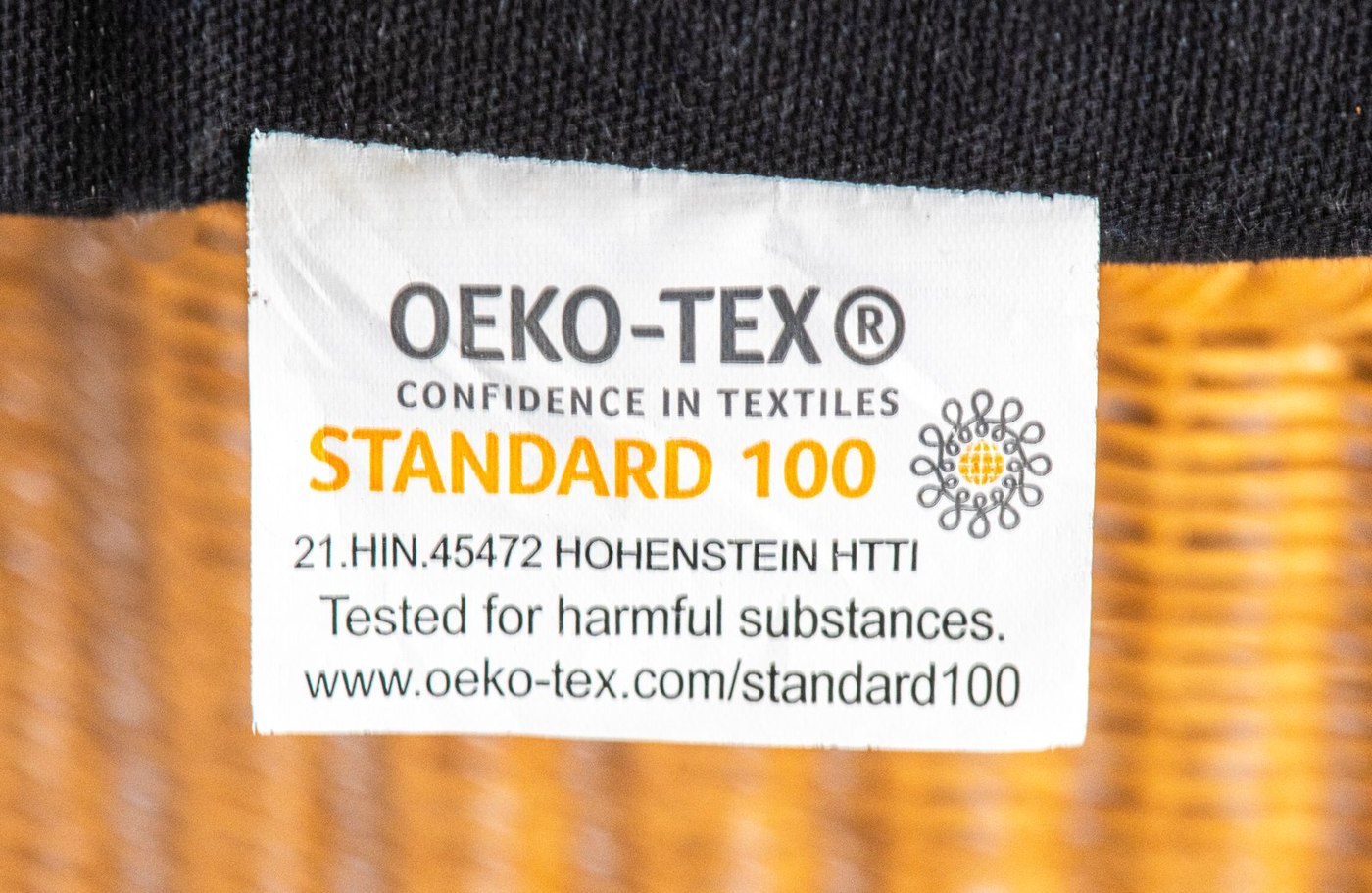
OEKO-TEX Standard 100
What: tests for harmful substances in textiles, no pesticide residues, heavy metals, allergens. When relevant: for textiles that come into direct contact with the skin, especially children's clothing. Examples: widely present in our catalogue (B&C, Fruit of the Loom etc.).

Fair Wear Foundation
What: a social standard for fair working conditions in textile production. When relevant: for brands and companies that want fair-trade claims at garment level. Examples: Stanley/Stella is a Fair Wear Foundation member.

EN ISO 20471, High-visibility clothing
What: European standard for hi-vis clothing (orange/yellow/fluorescent colours with retroreflective strips). Mandatory for: road workers, landscapers, construction workers in public spaces. Class 1, 2 or 3: depending on visibility requirements, class 3 is the highest level. Examples in our range: B&C Pro, Blåkläder, specific workwear models.

EN ISO 11611, Welding clothing
What: standard for textiles resistant to welding spatter. Mandatory for: welders in industry. Available on request through our workwear suppliers.

EN 14058, Cold-resistant clothing
What: standard for textiles resistant to cold environments. Mandatory for: cold/freezer storage, outdoor work in winter. Available on request.

Water-based and phthalate-free inks
What: as an alternative to traditional plastisol inks, no plasticisers, no phthalates. When relevant: for clients with strict chemical requirements. With us: available as standard for screen printing.

REACH-compliant
What: European chemicals legislation on restrictions for substances. With us: all inks and transfers we carry are REACH-compliant.