


Digital Product Passport (DPP) for textiles
What the Digital Product Passport is, when it comes into play and what it means for printed and embroidered textiles, without empty promises.
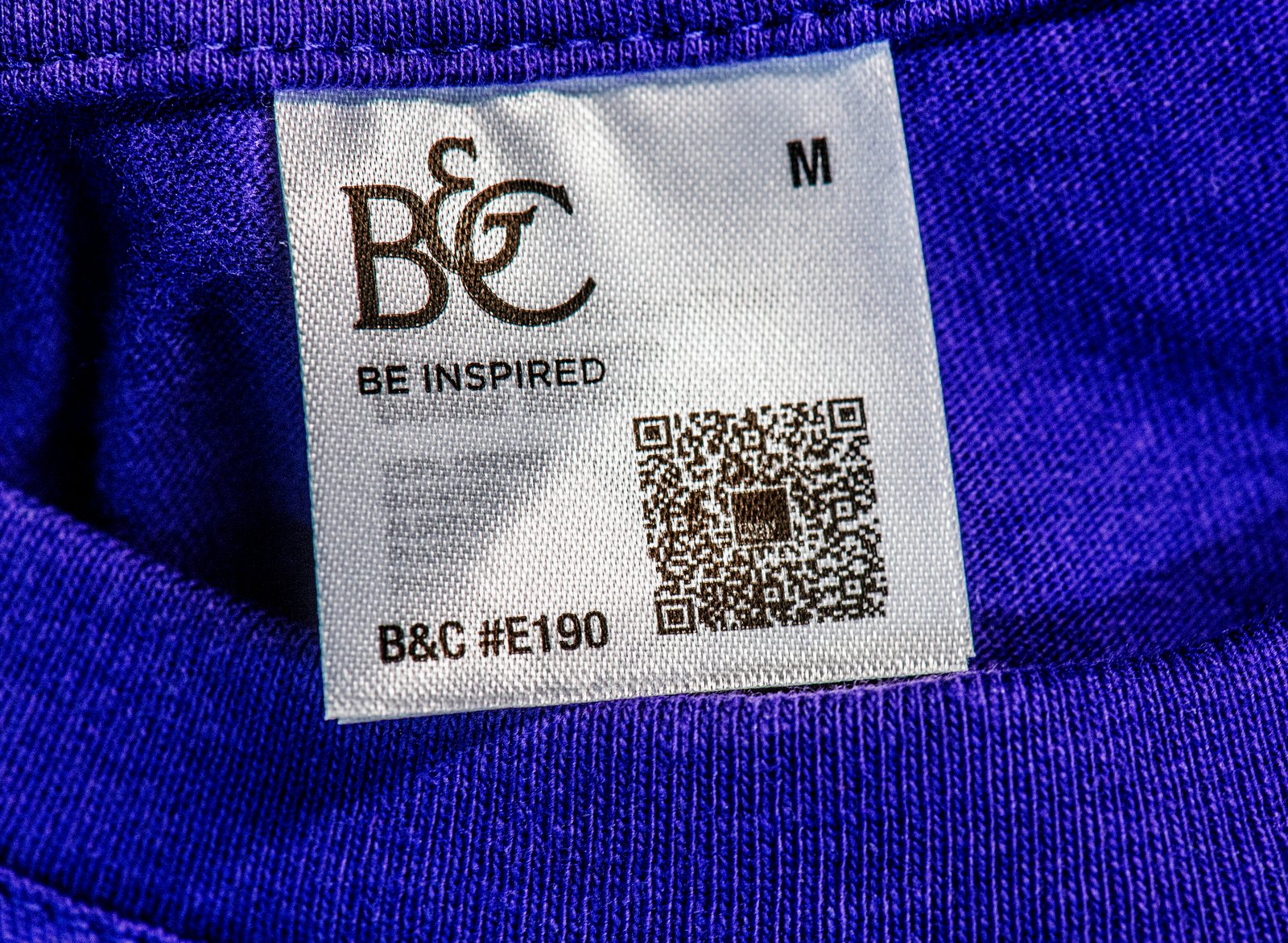
What is the Digital Product Passport?
The Digital Product Passport (DPP) is a European instrument stemming from the Ecodesign for Sustainable Products Regulation (ESPR, Regulation (EU) 2024/1781). It is a digital record linked to a product via a data carrier (for example a QR code or GS1 tag).
The passport brings together information on aspects such as origin, material composition, environmental impact, repairability and circularity, so that buyers, regulators and processors can consult that data unambiguously.
- Purpose: transparency, circularity and fair competition within the EU.
- Textiles and clothing have been designated as a priority product group within the ESPR.
- The data carrier points to an online product passport; not all data needs to be on the label itself.
When will it come into play?
The ESPR is in force at European level, but the concrete requirements are set out per product group in separate delegated acts. For textiles and clothing, the first DPP obligations are expected in the coming years; the exact start date and precise data requirements depend on those acts, which are yet to be established.
We therefore deliberately do not claim a fixed date. We are following developments and will inform the brands we work with as soon as there is more clarity.
What does this mean for printed and embroidered textiles?
Decoration — screen printing, DTF, embroidery, sublimation — changes the end product. For a future passport, traceability is relevant: which blank textile was used, which technique, which inks or threads.
- We work with brands that already provide traceable supply chains and certifications (GOTS, OEKO-TEX, Fair Wear Foundation).
- Those certificates and material details are building blocks for a future product passport.
- For each order we can record the materials and techniques used.
What are we already doing now?
- We deliberately choose brands and fabrics with traceable supply chains and publicly verifiable certifications.
- Certificates for the textile used are available on request for each order.
- We record material and technique choices so that they can be traced later.
- We think along with brands and private-label customers preparing for the DPP.
Private label and own brands
Already building collections under your own brand? Then we can document material and process choices from the outset. That way you are in a stronger position once DPP requirements for textiles become concrete, without having to reconstruct your supply chain after the fact.
Good to know
This page is intended for orientation and is not legal advice. The European regulations surrounding the DPP are still in development; details may change. Questions about your specific situation? Feel free to get in touch via verkoop@visualprint.nl.