Screen printing: the technique for sharp, durable prints
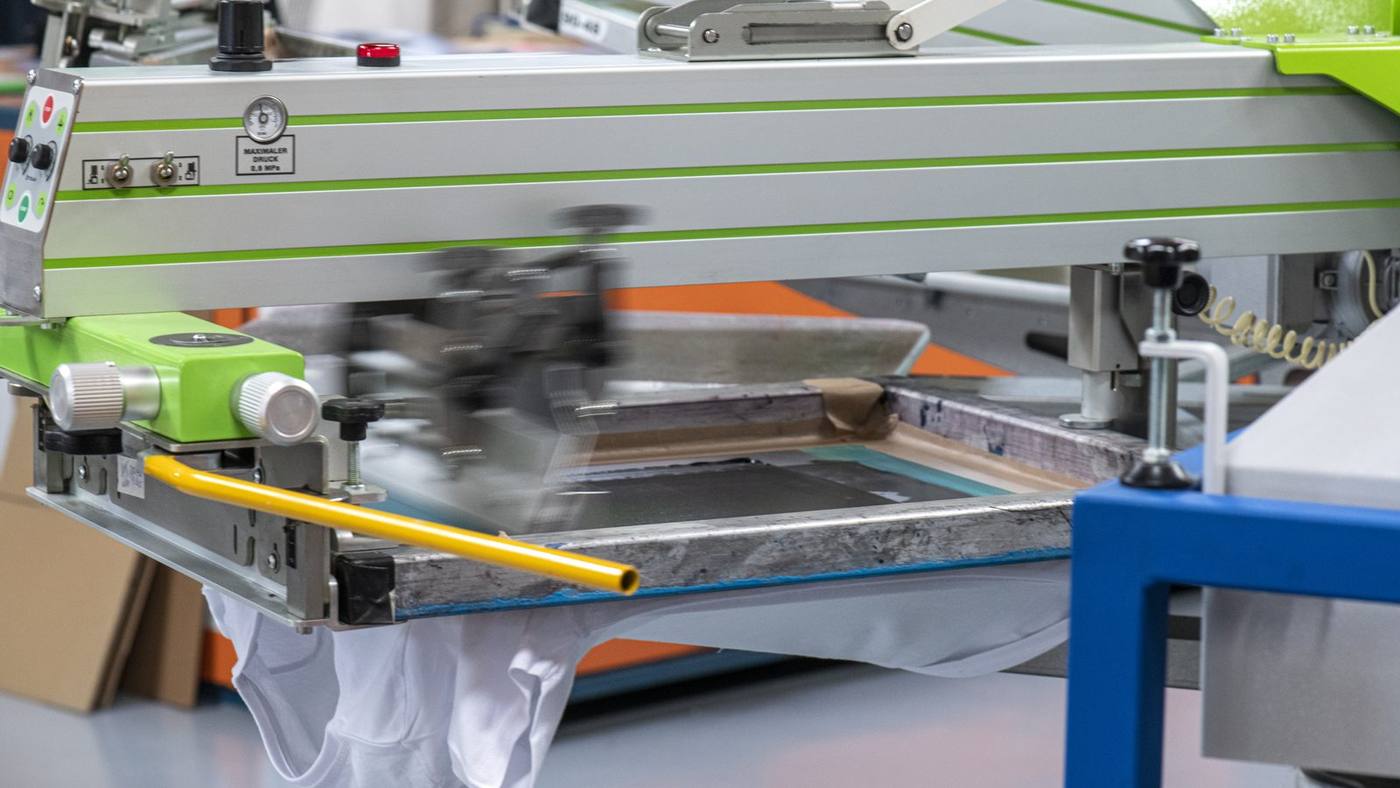
Since 1966 we have been screen printing textiles in Leidschendam. We make small series with the same care as runs of thousands of pieces. In direct screen printing we print up to 7 colours (Pantone) per design.
What is screen printing?
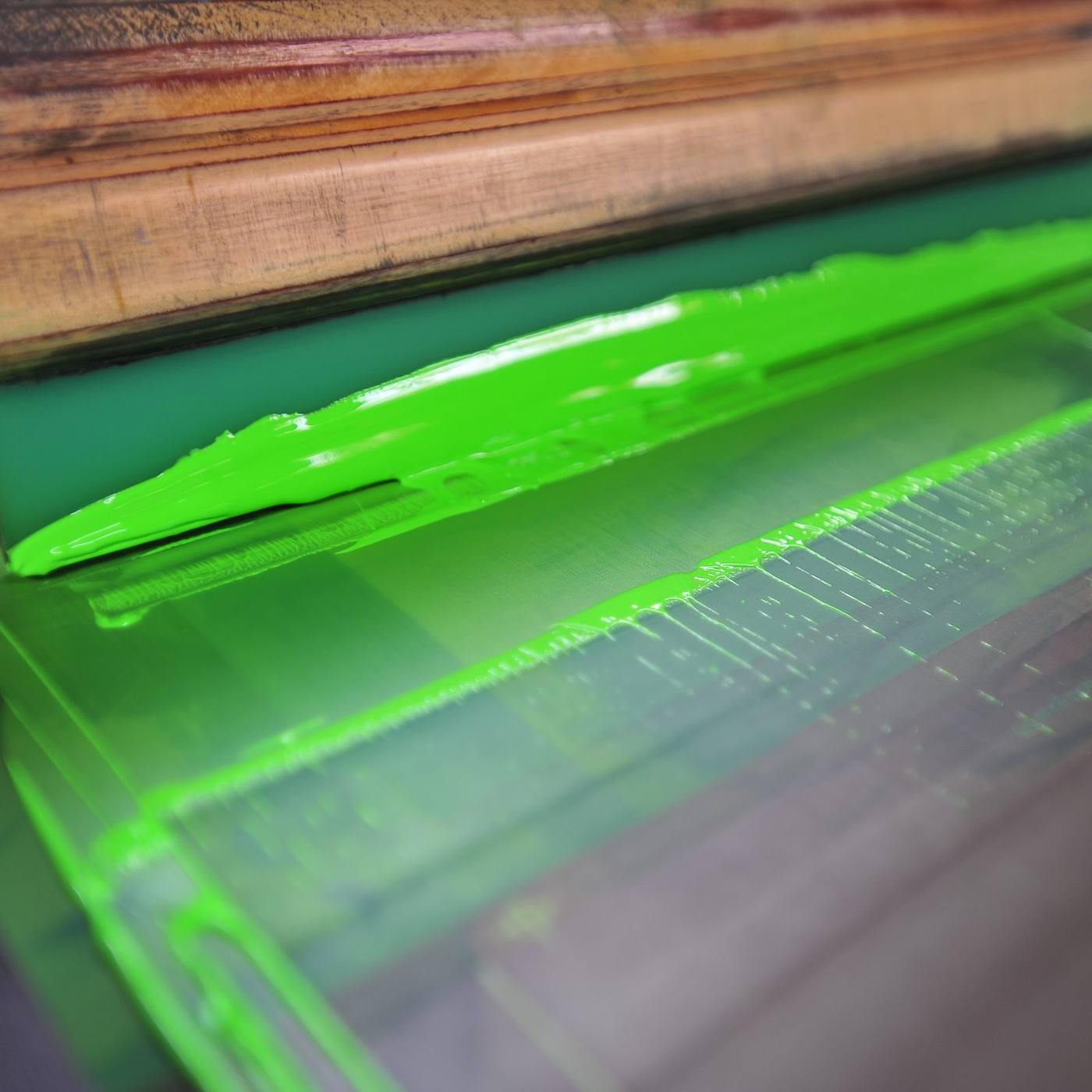
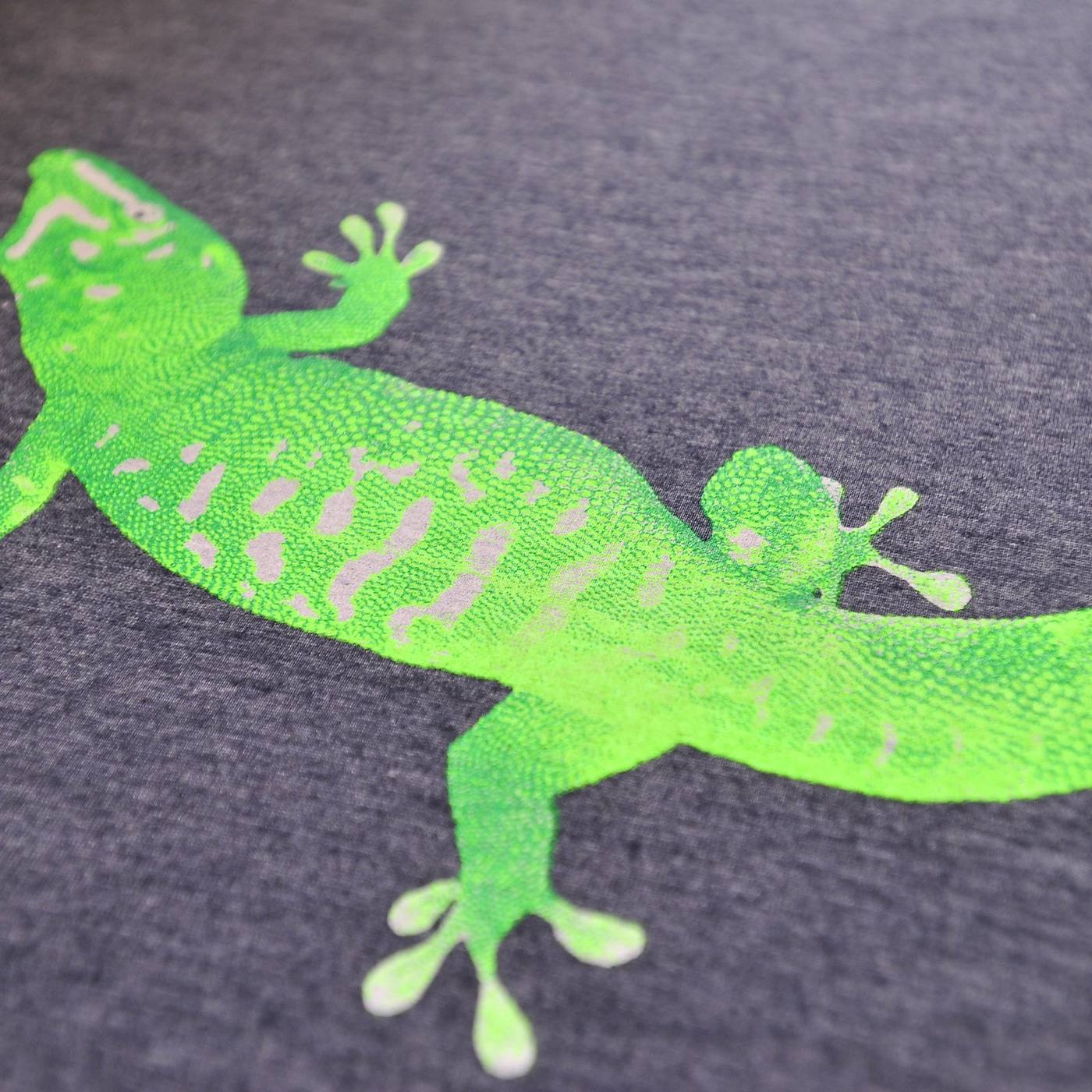
Screen printing is a printing method in which we expose a fine-mesh screen with your design for each colour. The ink is pushed through the open areas of the screen onto the textile, colour by colour, layer by layer. The result is an opaque, sharp print that, with good care, is highly wear-resistant.
For textiles, screen printing has been the standard for decades, and not without reason: on runs from 25 pieces it is the sharpest, most durable and, in larger quantities, by far the most cost-effective technique.
From design to finished product
We check every step: proof, colour, adhesion and quality control. That way you know in advance what you’ll get.
When do you choose screen printing?
Screen printing is the right choice when: In doubt? Our DTF transfers are a good alternative for smaller runs or full-colour designs.
We have over 5665 Pantone colours in our database with mixing formulas, so there's always a match for the colour you want — or make a suggestion and we'll mix on request.
- You want to print 25 pieces or more
- Your design contains up to 7 colours (Pantone) (for photorealistic work → choose DTF or sublimation)
- You need maximum wash resistance — think workwear, sports shirts, hospitality
- You want opaque prints on dark textiles
- You want specials such as puff, glitter or discharge
Our screen printing techniques
Ink types
Plastisol screen printing is our most widely used form. Opaque, vivid and excellent wash resistance, suitable for almost all cotton and blend fabrics.
Water-based screen printing is water-based and feels soft. Ideal for light, supple shirts where you barely feel the print, popular for fashion and premium merchandise.
Discharge print, a chemical process in which we remove the textile colour from the cotton and replace it with the print colour. Gives an exceptionally soft result and vivid colours on dark cotton. Only works on specific textiles.
Colour and imaging methods
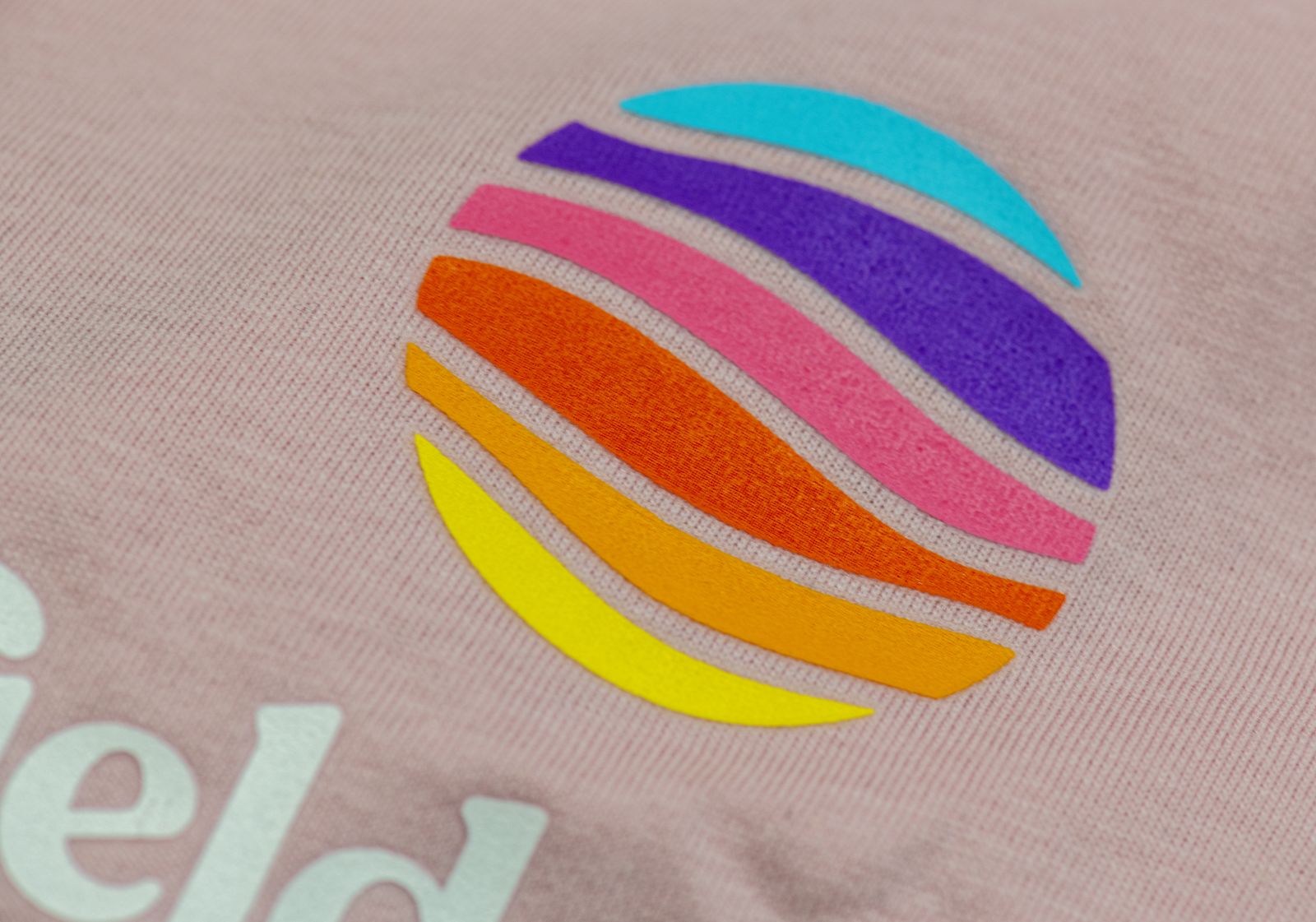
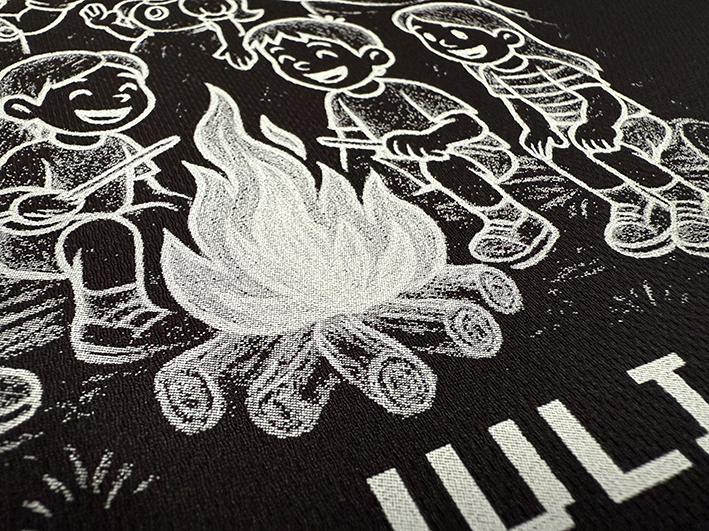
Solid area (spot colour), each colour is its own screen in a fixed Pantone colour. Maximum colour strength and vibrancy. The classic approach for logos and graphic designs.
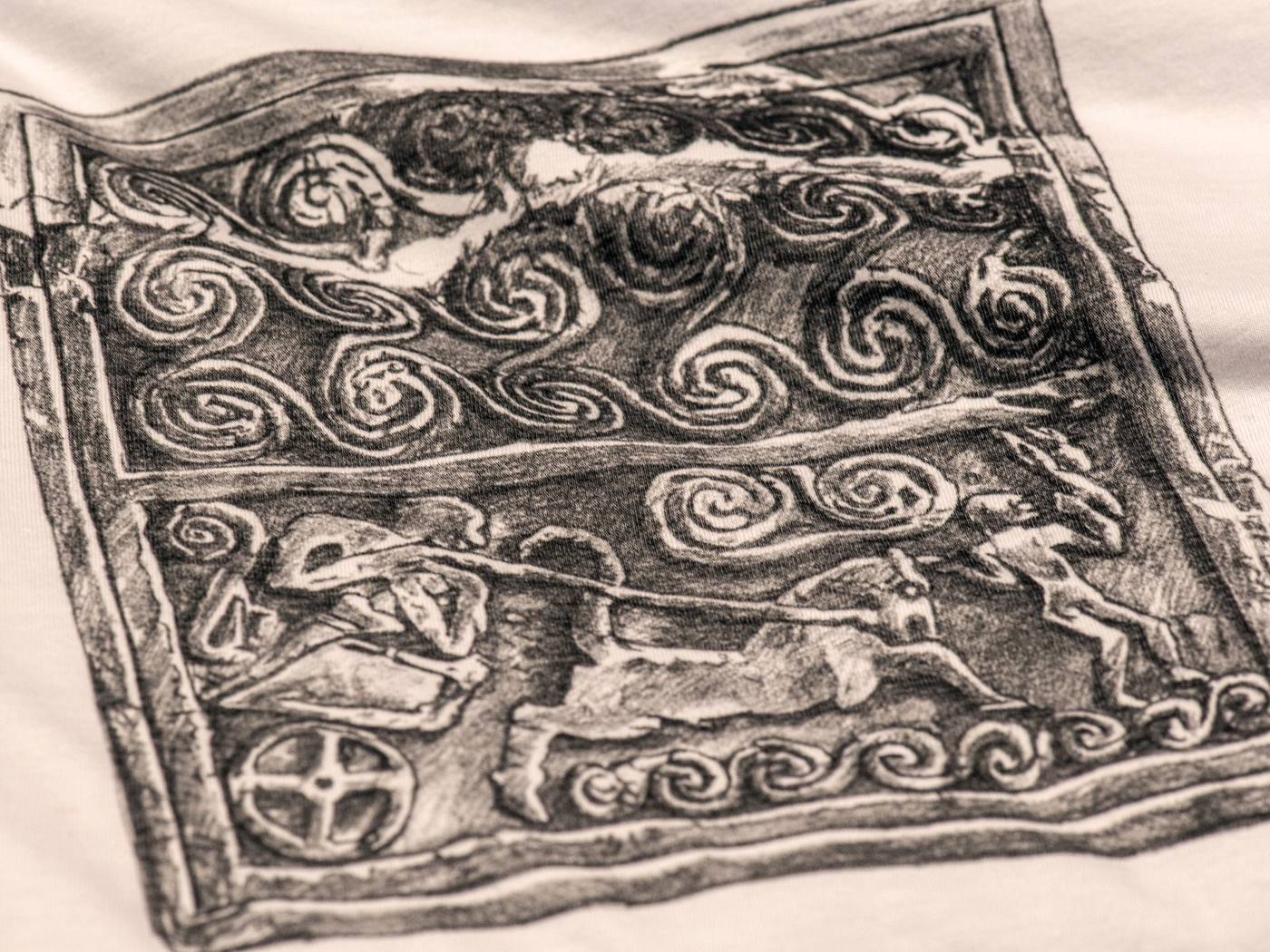
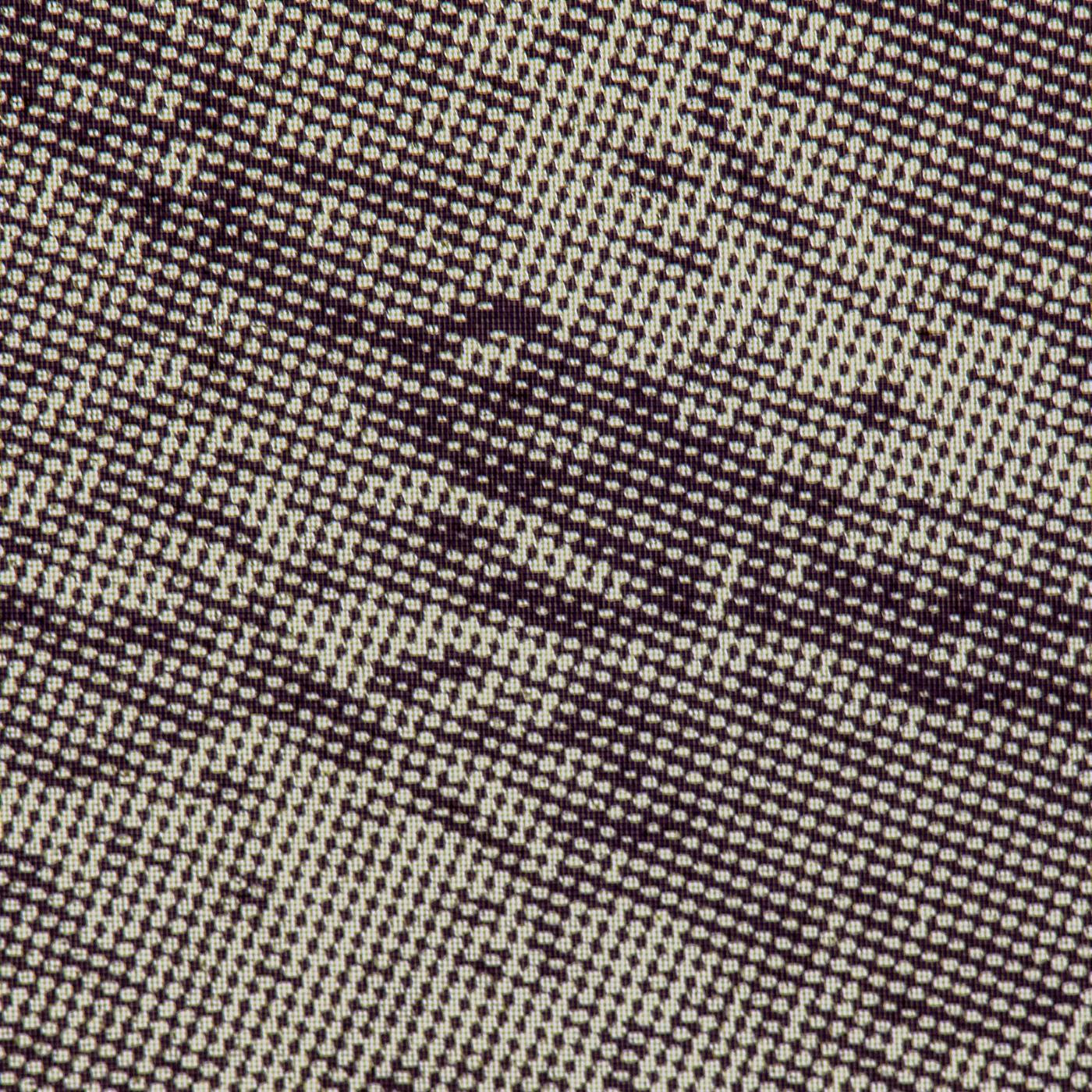
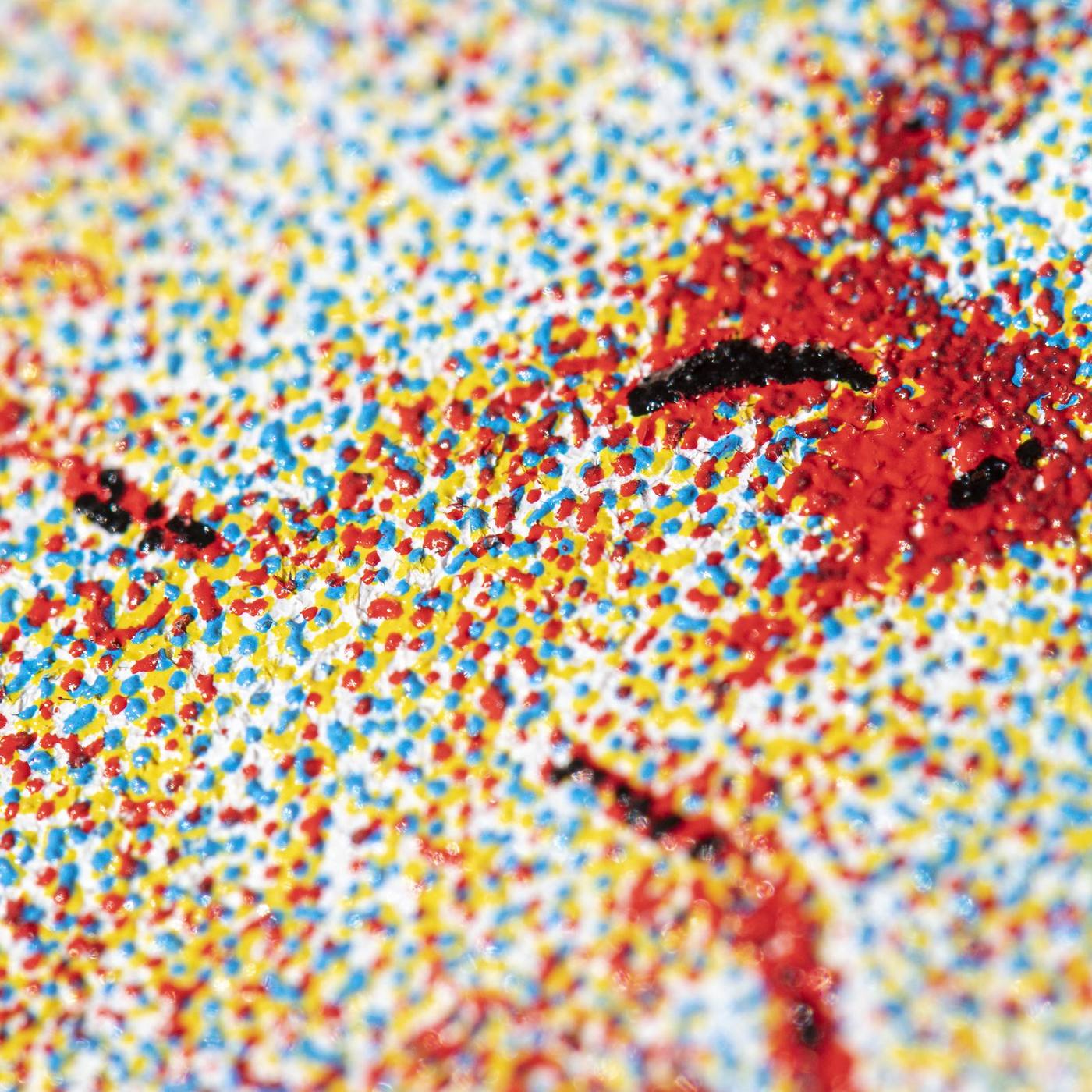
Halftone, a single colour built up from small dots to suggest gradients, shadows and fade effects. Strong for monochrome designs and shading.
CMYK (four-colour process), photos and full-colour designs built up from Cyan, Magenta, Yellow and Black. Works best on light textiles and on designs where true-to-life photos matter.
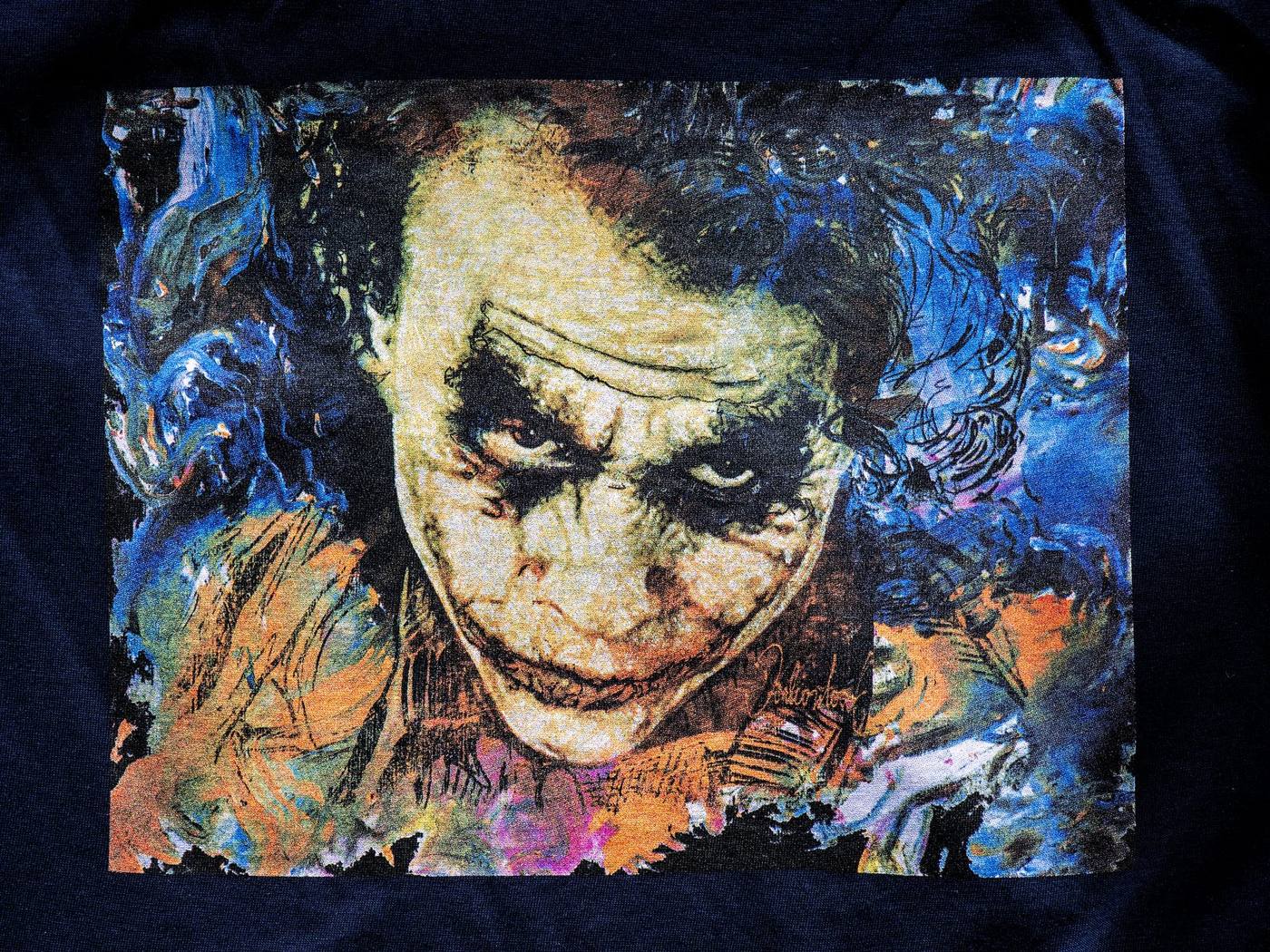
Simulated process, a combination of spot colour and halftone, designed for photorealistic images on dark textiles. Uses up to 7 inks that together form a photographic image, the premium choice for band merch and art editions.
Specialty inks (effects)
You'll find more effects such as foil, multichrome, thermochromic and photochromic on the Specialty inks page.
The eight most requested screen printing effects in pictures. Questions about a specific technique? Ask them in your quote request.


What do you need to order?
The design: preferably supply your file as a vector (.AI, .EPS, .PDF or .SVG) with text converted to outlines and at actual print size. A high-quality PNG (300 dpi at actual size) also works. We make one screen for each colour in your design.
No print-ready file? For a small fee we'll help get it ready for print.
The textile: you choose the textile from our brand guide. We work with Stedman, B&C, Sol's, Russell and Stanley/Stella, among others.
The quantities: from 25 pieces per design. The larger the run, the lower the unit price. For regular customers we can also handle repeat orders faster and more cheaply.
Pros and cons at a glance
Advantages
- Best value for money on runs from 25 pieces
- Excellent wash resistance
- Sharp, opaque colours, even on dark textiles
- Many specialty options (puff, glitter, discharge)
- Suitable for almost all textile types
Points to note
- Less suitable for full-colour designs or photos (choose DTF or sublimation instead)
- Each additional colour in your design adds a setup cost (per screen)
- On runs under 25 pieces often more expensive than DTF transfers
Delivery time & price indication
Standard delivery time: on average 7–10 working days after proof approval. Rush delivery: possible by arrangement.
Price: depends on textile, number of colours and run size. Request a quote for a tailored price, quickly in your inbox.
Ready for your screen printing project?
We’re happy to think along, from choice of technique to textile to delivery. Send in your request and we’ll respond as soon as possible.
Examples from our print shop
A small selection of recent work. The rest is in our portfolio.